
The ADA Benefits All People, Not Just “Americans with Disabilities”
July 26, 2023, marks the 33rd anniversary of the Americans with Disabilities Act (ADA).
This landmark civil rights law protects millions of people with disabilities across the country.
The Access Board is celebrating accessible design features encountered in everyday life that benefit everyone, not just those with disabilities. Read on to learn more!
- Ramps and Curb Ramps. Ramps and curb ramps help everyone using wheeled devices like strollers and wheeled briefcases! They are required in the ADA Accessibility Standards for wheelchair access.
- Detectable Warning Surfaces. Have you ever wondered what those surface patterns of small domes that cross curb ramps are for? They are detectable warning surfaces, designed to alert pedestrians who are blind or have low vision to the presence of a hazard, such as a road. They are also required on open boarding platforms in rail stations to discourage people from standing too close to the edge of the platform.
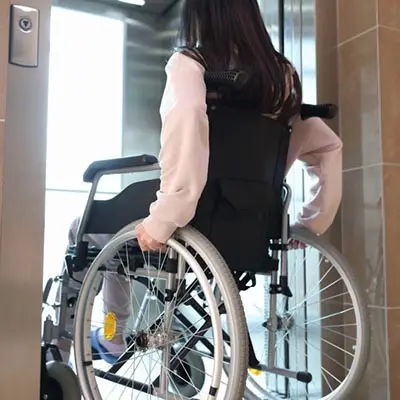
- Elevators. Moving between floors can be challenging when carrying luggage at the airport. Thanks to accessible design, we have access to elevators! And while elevators are convenient for moving your luggage, they’re required to provide airport vertical access for people with disabilities.
- Clear Walkways. No one likes to hit their head on wall sconces or walk into handrails, signs on posts, or wall-mounted drinking fountains. That’s why the ADA requires minimum headroom clearance and minimum horizontal protrusions.
- Audible and Visual Announcements. Isn’t it helpful to hear and see announcements for stops when riding a bus or subway line? Those audible and visual announcements are required so that people who are blind or have low vision or are deaf or hard of hearing can know when their stops are approaching.
While the ADA addresses accessibility as a whole, Social Security seeks to remove barriers to employment for people who receive disability benefits through the Protection and Advocacy for Beneficiaries of Social Security (PABSS) program. The PABSS program provides legal representation and advocacy services for people receiving disability benefits under the Social Security Act who are experiencing a barrier to employment, whether they are trying to begin, regain, or maintain employment. We all benefit from accessible design, diversity in the workplace, and programs that support both, like the PABSS program.
Share this information with your neighbors, friends, and family! To learn more about the history of the ADA and the Access Board’s work, visit the Access Board’s website.
Our posting of this blog does not constitute an endorsement or recommendation of any non-Social Security organization, author, or webpages.